
In an age of high-tech air fryers and precision sous-vide machines, one of the most popular and coveted pieces of cookware remains a simple, heavy, black pan forged from iron. The cast iron skillet is a centuries-old tool that has not only endured but thrived in the modern kitchen. But why the obsession? The answer lies in its unparalleled ability to hold and distribute heat.
The Physics of a Perfect Sear
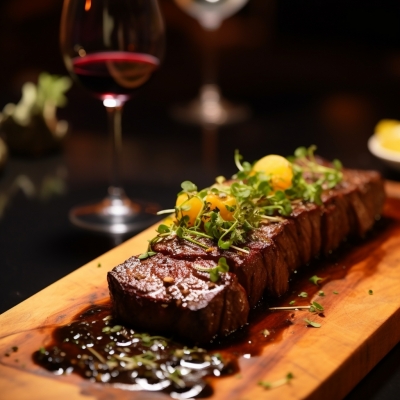
Unlike aluminum or even stainless steel, which heat up and cool down quickly, cast iron has high thermal mass. It takes longer to preheat, but once it''s hot, it stays hot. When you place a cold steak on a hot cast iron pan, the pan''s temperature barely drops. This massive, stored energy is what creates a deep, even, and incredibly flavorful crust through the Maillard reaction—something most other pans struggle to achieve.
Understanding Seasoning: A Natural Non-Stick
The magic of cast iron is its ''seasoning.'' This isn''t about adding salt and pepper; it''s a layer of polymerized oil that has been baked onto the pan''s surface. Here''s how it works:
- Polymerization: When thin layers of fat or oil are heated to high temperatures, they transform from a liquid into a hard, plastic-like layer that bonds to the metal.
- Building Layers: Every time you cook with fat in your skillet—frying bacon, searing a steak, or even just wiping it with oil after cleaning—you are adding to these microscopic layers.
- The Result: Over time, this creates a durable, naturally non-stick surface that will last for generations, allowing you to fry an egg with ease.
Your grandmother was right. The best way to maintain your cast iron is simply to use it often.
How to Clean and Care for Your Skillet
Caring for cast iron is simple, but it has a few golden rules. Breaking them is how pans get ruined.
- Clean While Warm: The best time to clean is right after cooking. Use hot water and a stiff brush or a dedicated chainmail scrubber to remove any stuck-on bits. Avoid the dishwasher at all costs.
- A Little Soap is Okay: The old myth about never using soap is from a time when soaps contained lye. A small drop of modern dish soap is perfectly fine and won''t strip well-established seasoning.
- Dry Immediately and Thoroughly: Iron''s mortal enemy is rust. Never let your pan air-dry. The best method is to hand-dry it, then place it on a low burner for a minute to evaporate every last drop of moisture.
- Wipe with Oil: While the pan is still warm, wipe a very thin layer of a neutral oil (like canola or grapeseed) over the entire cooking surface with a paper towel. This protects it from moisture and reinforces the seasoning.
WRITTEN BY
Priya Sharma
Priya is a food writer and traveler who explores the world one dish at a time. Her focus is on the history of food and how spices have shaped global cuisine.